 by
by Last Updated on July 31, 2026 by Avia
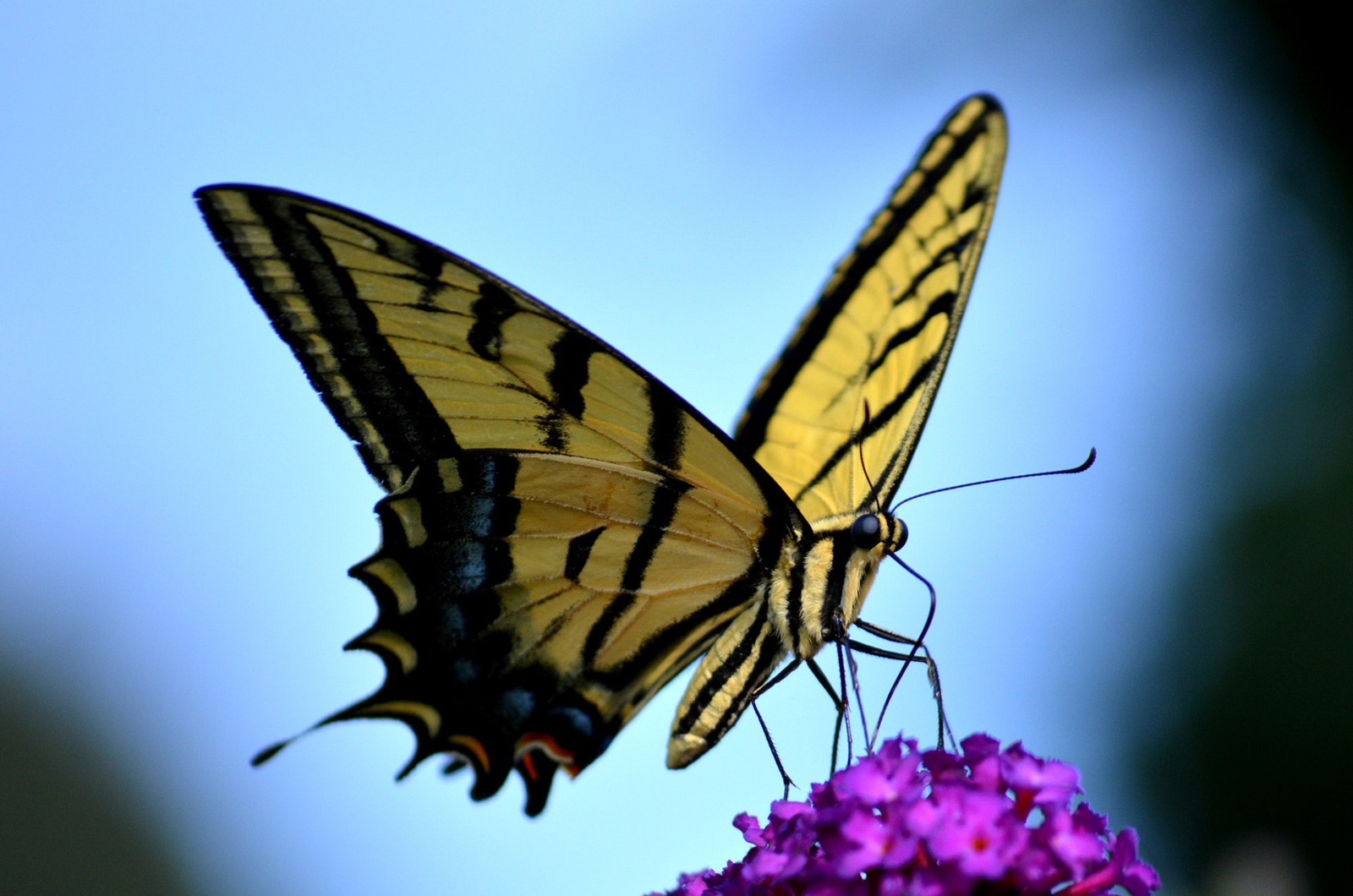
Quick Answer: Insect symbolism commonly represents adaptability, persistence, productivity, transformation, community, and close awareness of one’s environment. The specific meaning depends on the insect and the circumstances in which it appears. Bees may symbolize cooperation, butterflies transformation, ants discipline, dragonflies perspective, and spiders creativity and patience.
Bugs. Whether you love some or hate them all, insects are all extremely symbolic. As animal totems, insects have a lot to teach us in terms of productivity, communication, teamwork and more.
Insect animal totems all seem to point to other key characteristics like: Tenacity, patience, and detachment.
Seemingly unaffected by their surroundings as they go about their business, insect animal totem meanings herald the importance of minding our own business. Yet, at the same time, most insects have a strong sense of community. The trick is keeping balance, and insect animal totems certainly do that.
In truth, insects are seriously connected to their environment. They are so in tune with their surroundings that they seem one with the elements within which they live. This is a big lesson for us. Rather than hammer at our conditions to make them what we want – insects teach us to adapt to our conditions. Work with our environment. Essentially, living in harmony with our surroundings is a lot easier than fighting everything around us all the time.
Insects are progressive, and proactive – always adapting to the environment, and never letting little things like natural disasters get in their way of progress. When we get discouraged, we could all learn a thing or two from insect animal totem meanings. It’s their unsinkable nature that reminds us to keep moving forward for progress.
“Everything is a miracle.
~Federico Fellini
We just have to recognize it.”
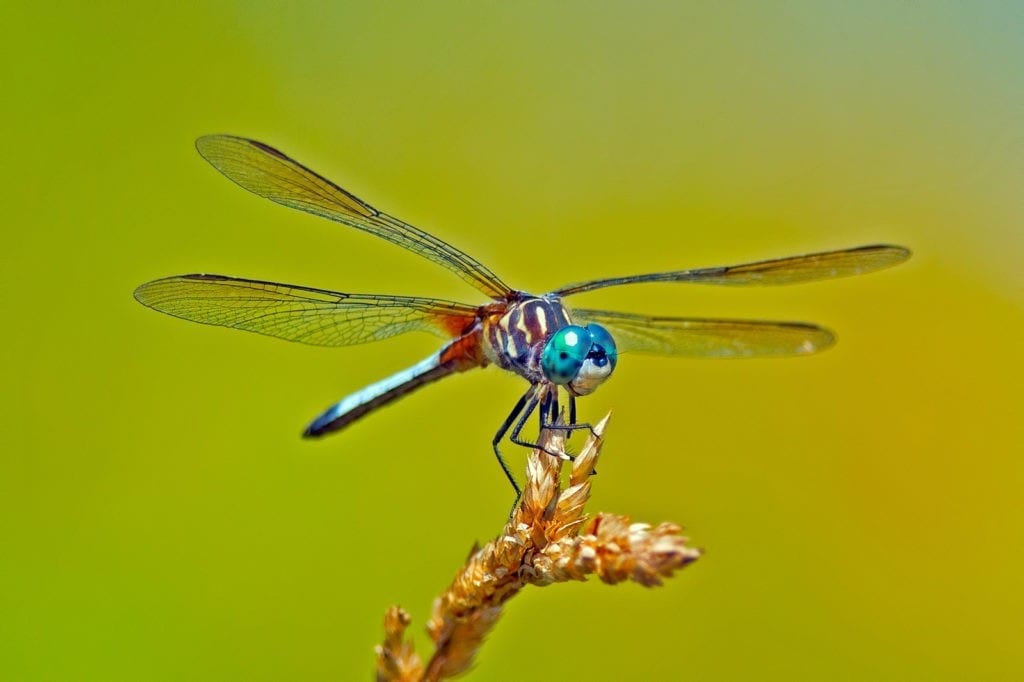
Common Spiritual Meanings of Insects
Adaptability: Insects survive in remarkably diverse environments and often symbolize the ability to adjust without losing direction.
Persistence: Their repetitive, focused activity can represent patience, consistency, and progress through small actions.
Community: Social insects such as bees, ants, and termites emphasize cooperation, shared responsibility, and collective strength.
Transformation: Butterflies, moths, beetles, cicadas, and dragonflies undergo dramatic physical changes, connecting insects with renewal and personal development.
Environmental awareness: Insects respond quickly to weather, habitat, light, food, and seasonal changes, making them symbols of sensitivity to subtle conditions.
In-Site Links to Symbolic Insect Meanings and Insect Animal Totems

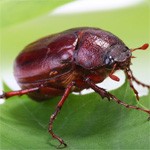
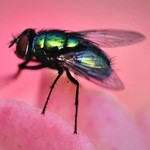
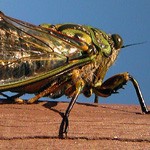
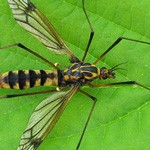
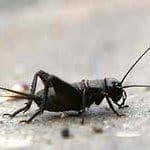
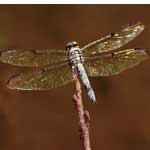
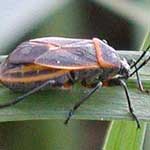
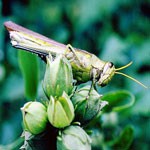
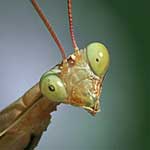
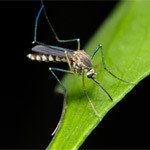
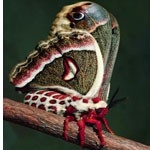

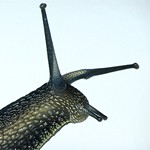

“If all mankind were to disappear, the world would regenerate
~E. O. Wilson, Biologist
back to the rich state of equilibrium
that existed ten thousand years ago.
If insects were to vanish,
the environment would collapse into chaos.”
I hope you enjoy looking through these articles on insect animal totems.
You know…it’s often the most unsuspecting organisms in Nature that pack a real whallup in symbolic meaning. Bugs might not be high on the list for even the most avid Nature-Lovers, but to be sure, these amazing little creatures have profound meaning.
In essence, big symbolic messages come from these tiny packages, and it behooves us to pay attention when the insect world speaks to us.
As always, I wish you happy symbolic journeys, and keep interpreting! Thanks for reading!
Mighty brightly,

© Copyrighted. All Rights Reserved.
FAQs About Insect Meaning and Symbolism
Insects commonly symbolize adaptability, persistence, transformation, productivity, community, and awareness of one’s surroundings. Because each species has different behaviors and life cycles, the specific spiritual meaning depends on the insect involved. A butterfly may represent transformation, while an ant may symbolize cooperation, patience, and steady progress.
Repeated insect encounters may invite you to notice qualities associated with that insect, such as patience, change, communication, or resilience. Consider where the insect appeared, what it was doing, and what was happening in your life at the time. Also account for practical factors such as season, weather, food sources, and habitat before assuming the encounter has a symbolic meaning.
In many symbolic and spiritual traditions, insects are viewed as messengers because they can appear unexpectedly and draw attention to particular themes. Their behavior, movement, color, and life cycle may offer material for personal reflection. An insect encounter is best treated as an invitation to examine your circumstances rather than as a fixed prediction.
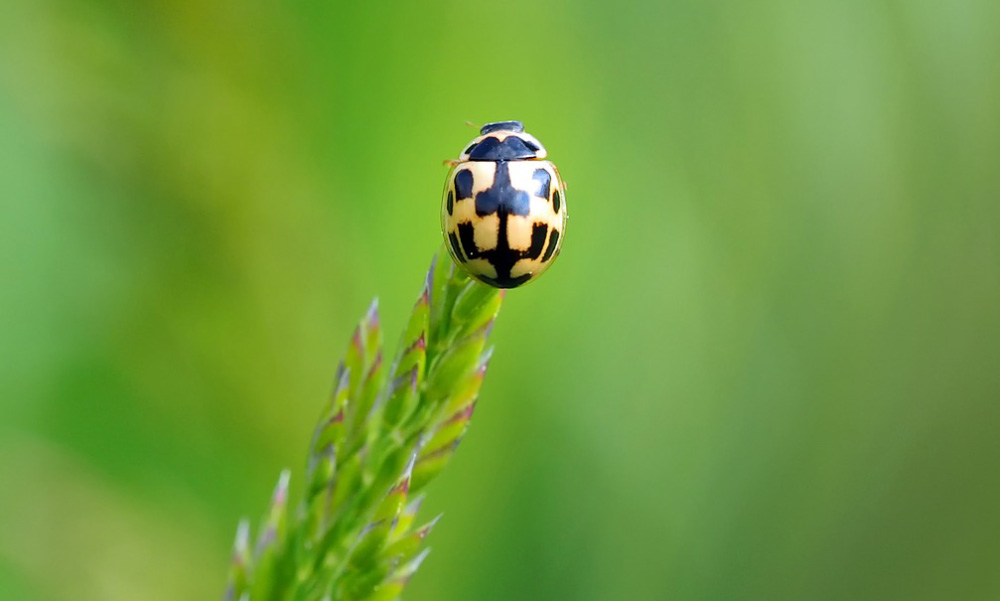
An insect landing on you can feel especially significant because the encounter is direct and personal. Its possible meaning depends on the species and its behavior. A butterfly may suggest transformation or lightness, a ladybug may be associated with good fortune, and a dragonfly may encourage greater perspective or emotional clarity.
Insect dreams may reflect small concerns, persistent thoughts, personal transformation, group dynamics, or feelings that have been difficult to ignore. The meaning depends on the type of insect, its behavior, your emotional reaction, and the setting of the dream. A swarm may suggest overwhelm, while a single insect may point to one specific issue requiring attention.
Butterflies, moths, caterpillars, cicadas, beetles, and dragonflies are strongly associated with transformation because they undergo dramatic changes during their life cycles. Symbolically, these insects may appear during periods of personal growth, renewal, transition, emergence, or release from an outdated way of living.
Ladybugs, crickets, dragonflies, bees, butterflies, and certain beetles have been associated with good luck in various cultural and symbolic traditions. Their meanings may include abundance, protection, opportunity, happiness, prosperity, or positive change. Cultural interpretations differ, so the insect’s meaning should be considered within the proper tradition and personal context.
Ants, beetles, bees, cicadas, and grasshoppers can symbolize different forms of strength and perseverance. Ants represent patient effort and teamwork, beetles resilience and protection, bees disciplined productivity, cicadas endurance and renewal, and grasshoppers the courage to move forward when an opportunity appears.
Yes. Insect symbolism can reflect uncomfortable themes such as irritation, fear, avoidance, obsession, vulnerability, or feeling overwhelmed. Mosquitoes may symbolize draining influences, flies may draw attention to neglected problems, and swarming insects may represent mounting stress. These meanings are not punishments or predictions; they can serve as prompts to recognize something that needs attention.
Begin by identifying the insect accurately and observing what it was doing. Consider its natural behavior, habitat, life cycle, color, and movement. Then reflect on your emotional response and what was happening in your life during the encounter. The most meaningful interpretation usually connects the insect’s characteristics with your own circumstances without ignoring ordinary environmental explanations.
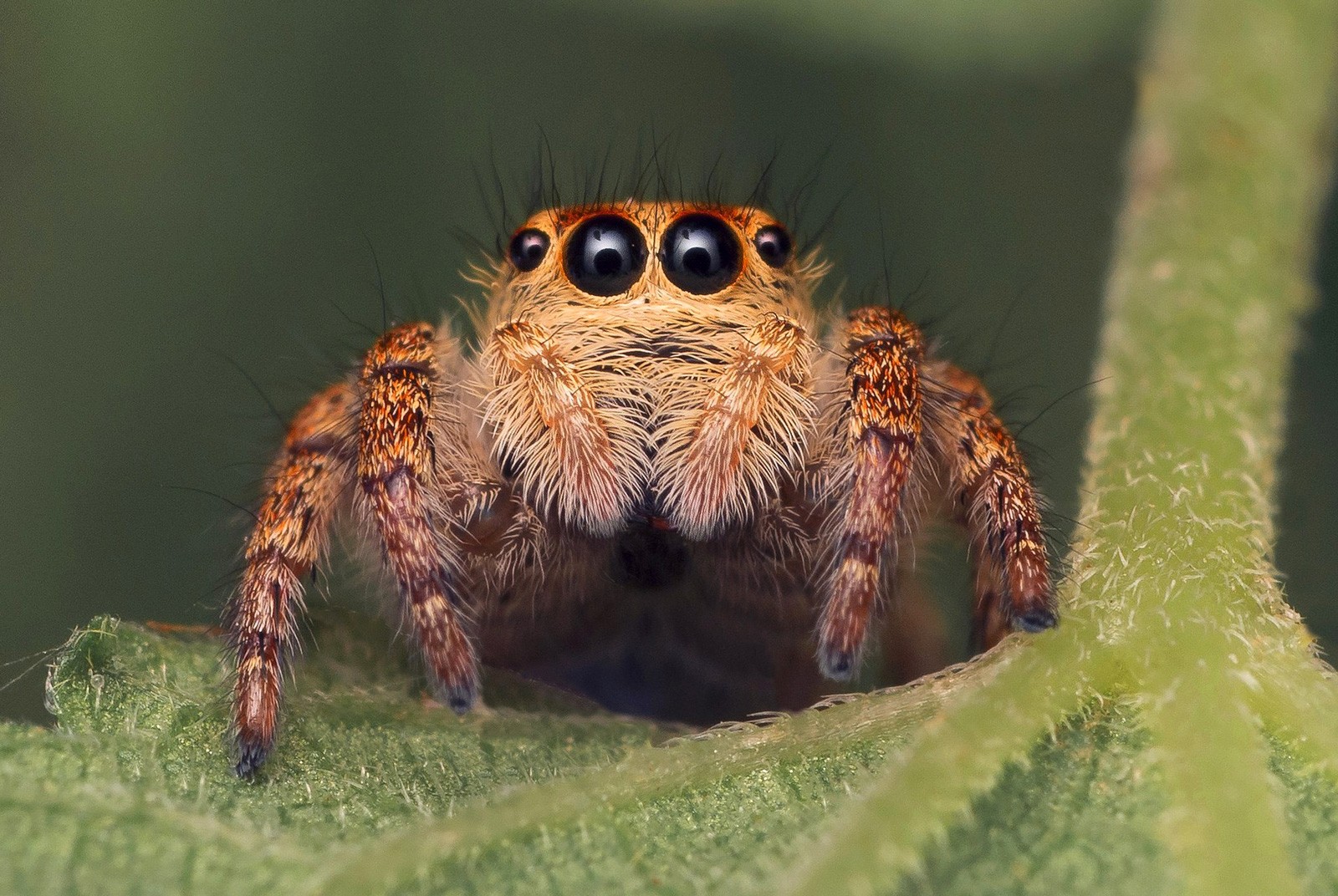
A spider is not scientifically classified as an insect; it is an arachnid. However, spiders are frequently included in animal-totem and symbolic-meaning collections because they represent creativity, patience, interconnectedness, and the patterns people create in their lives. Scorpions are also arachnids, while snails belong to a different biological group entirely.