 by
by Last Updated on March 28, 2023 by Avia
Hopi Symbol Meanings And Cultural Understanding: After tons of research and talking to a super-generous group of historians and savvy folk of Hopi descent – a brew of colorful and fascinating Hopi Symbols and their meanings started to bubble to the top. In other words, Hopi symbols are such an inspiration for me, I just had to share them with you. So, without further delay, here are some insights into Hopi symbols and their meanings with a goal to learn and enrich our cultural understanding.
Table of Contents
About Hopi Symbols
Hopi Symbols and their Meanings: Hopitu-shinumu (Hopi) means Peaceful People; this serves as a background to understanding their use of symbols. The Hopi are expert craftspeople, and possess uncommon agricultural skills.
Their connection with the land, cultivating, and harvesting is truly superior. Specifically, their ability to skillfully coax yielding corn from the desert sands is to be commended.This connection to earth, and nature is constantly exhibited in Hopi symbols.
Art is a way of life for the Hopi; it expresses their visions, beliefs and dreams to themselves and others. As artisans, they incorporated their Hopi symbols into an array of dazzlingly beautiful baskets, weavings, and pottery.
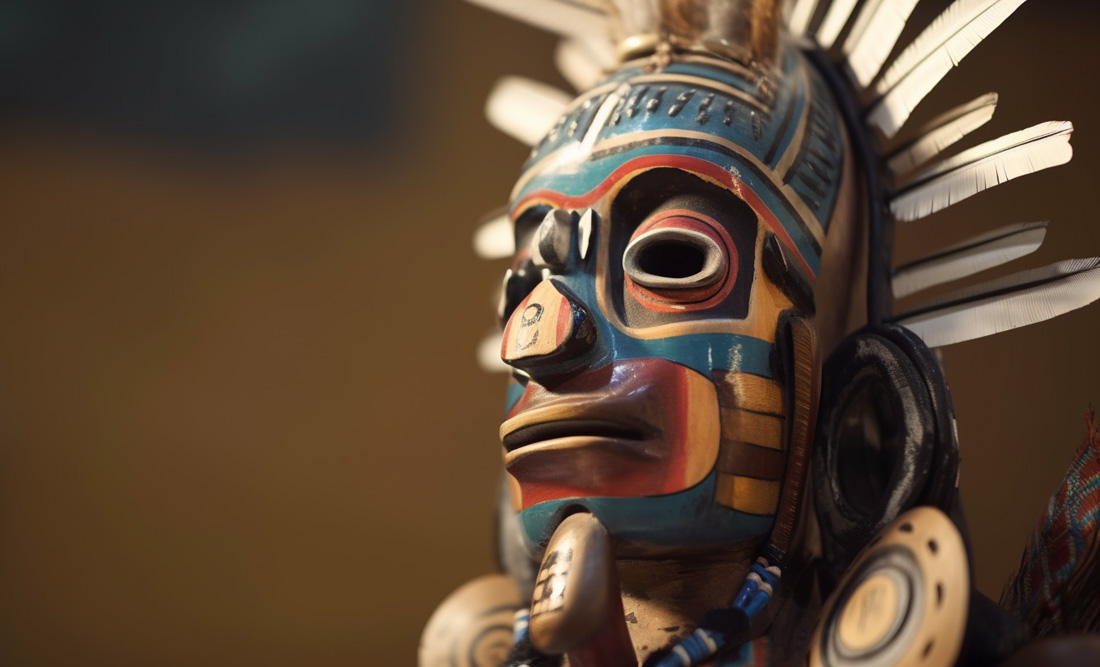
Hopi are also the crafters of kachina dolls and costumes. For more information on this are of Hopi tradition, click on: Kachina Properties.
A few Hopi symbols and their meanings are provided here with an aim to bring about understanding and respect to these diverse and skillful people.
“All dreams fall from the same sky.”
~Hopi Saying
Common Hopi Symbols
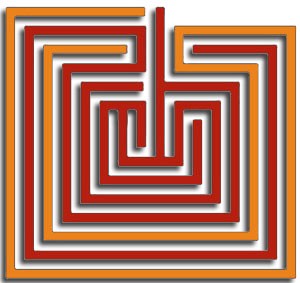
Mother Earth or Maze Symbol
This is a common symbol among many Native American tribes, including the Hopi. One of its representations is that of mother and child (see Mother Symbolism. page) In a broader sense, the connection of earth mother to us as her children. The beginning, straight center-line represents the child – or our philosophical beginnings – the surrounding maze represents the enfolding energies of mother earth. Note the maze does not enclose the center –line representing the child. The symbolism then is strong when we realize the support of the mother is constantly around yet our ability to venture out on our own is always available. Also reference my page on Earth Symbols here.

Hopi World Symbol
This symbol signifies world to the Hopi The “cosmic cross” or four bars represent north, south, east and west correspond to the outermost points on the horizon where the sun passes through the year; the solstice and equinox points. The four circles inside the outer outline represent the four nations (the first four tribes of mankind), which came to the world to keep balance.
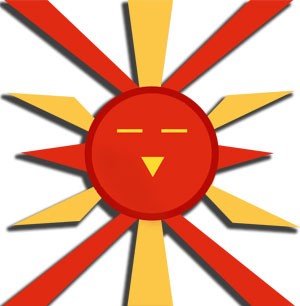
Hopi Sun Symbol
The Hopi Sun Symbol is one of creative and natural energy. The supreme god due to the Hopi’s dependence upon it for the growth of corn, and other sustaining crops. The sun symbol represents the heart of the cosmos and deals with vitality, growth, and passion.

Hopi Spiral Symbol
The Hopi Spiral Symbol is also common among North, South and Central Native American Indian tribes. The spiral represents the number of journeys or treks a tribe or nation has made to the four corners of the earth. Engraved on stones, the spiral suggests an intricate journey made to the Otherworlds on back. Generally, the spiral represents a broadening of consciousness, which is the destination arrived after a long journey.
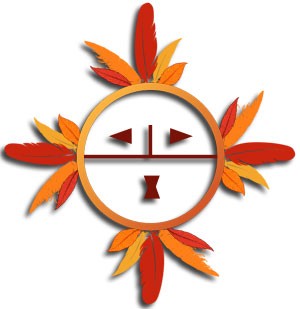
Hopi Kachina Sun Symbol
The Hopi Kachina Sun Symbol, also known as a Tawa kachina, it is a spirit symbolizing of life, growth, the strength of spirit, and abundance. The likeness of this spirit is donned during the solstice ceremony to beckon the sun’s return, and begin the growing season. See Kachina Properties for more information on Hopi kachinas and their meanings.
Conclusion
I hope these basic explanations about Hopi symbols were helpful to you. Please remember very often, creative expression is a factor in these designs and Hopi symbols. As always, thanks for reading!
Mighty brightly,

© Copyrighted. All Rights Reserved.
Avia’s Amazon Picks for You
Want More? Check Out These Amazon Selections About Native American Symbols
Other Articles of Interest on This Website
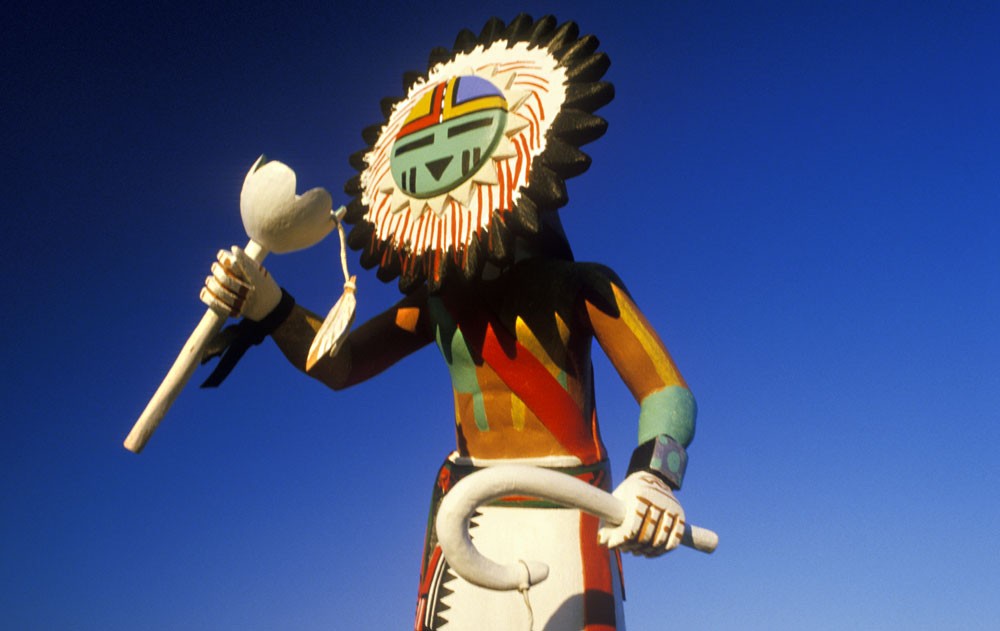
Understanding Hopi Kachina Meanings
To understand kachina properties, we must first have a foundation of the endlessly creative and strongly spiritual Hopi people. Find out more about Kachina properties here.
Native American Sun Symbol Meanings
Sun symbols are seen in some shape or fashion in every Native American tribe. This should be a clear indication of how much the sun was revered for its power. Views and beliefs surrounding the sun symbols vary according to region. Find out more about Native American sun symbols here.