 by
by Last Updated on January 11, 2026 by Avia
Like many of you, I’m a sucker for trees. And why not? They’re quintessential symbols for life, endurance, expression, adaptation, resilience, connection…I could go on and on! They’re also symbols of luck in many cultures. I have this one leafy friend in my yard. I call it my lucky tree, because it’s taught me so much in terms of abundance and the relationship between giving and receiving. So, because I’m such a tree geek, I thought it would be a jazz to write about lucky trees and their meaning. Ready to branch out? Let’s rock this bark!
Table of Contents
Introducing: The Symbolism of Lucky Trees
Picture it: Earth, at the dawn of time. We humans back then might not have been as sophisticated in terms of technology, but we certainly had the cunning to identify good things in nature when we saw them, and trees (I imagine) were likely the fashizzle for early humans.
They were our first shelter, our first source of nourishment, and our earliest teachers. Long before coins, contracts, or credit scores, abundance grew on branches. That’s why nearly every ancient culture revered the lucky tree as a living symbol of life force, fertility, renewal, and wealth. To our ancestors, a thriving tree meant survival, continuity, and promise. I’d like to believe that understanding still hums quietly beneath our modern lives.
I invite you to look at trees differently here. Not merely as plants, but as living talismans of luck. I’m not talking about trees dashing around for dollars…I’m talking about trees embodying the meaning of prosperity. See how their roots grow deeply, how they grow patiently, shed what no longer serves, and reach unapologetically for the light. That’s a pure illustration of finding fortune where you’re planted.
When we recognize certain trees as bearers of good fortune, we’re really acknowledging timeless wisdom encoded in nature itself. And when you learn to see trees this way, the world starts offering its blessings a little more generously.
What Makes a Tree “Lucky”?
A lucky tree isn’t lucky because someone once hung a coin from it or whispered a wish beneath its branches (though I’d never knock a good ritual). What makes a tree lucky is far more elemental, and far more powerful.
Across cultures, lucky trees earn their reputation because they model abundance rather than promise it. They show us how prosperity actually works, and I’ll tell you how. Let’s chop it down & elaborate on what makes a tree lucky…
Live Long & Prosper: Lucky Trees & Longevity
Many trees of fortune live far longer than we do, quietly reminding us that real wealth is patient. A tree doesn’t rush. It invests. It grows rings, not shortcuts. That slow, steady expansion is the backbone of every true tree of wealth story I’ve ever encountered, symbolic or otherwise.
Solid Foundation: Tree Roots & Abundance
A good luck tree sinks itself deeply into the earth before it dares to reach for the sky. That matters. Prosperity without grounding is flimsy. Trees teach us that stability comes first: nourishment, boundaries, structure. Only then does growth become sustainable. Even the beloved good luck money tree carries this lesson. Its braided trunk symbolizes balance, support, and interconnected effort rather than a solo hustle.
You Get a Branch, and You Get a Branch! Generosity of Trees & Luck
Trees give constantly (bless ‘em!) Shade, oxygen, fruit, shelter, soil nourishment, let me count the ways! What’s really ginchy is that the more a tree gives, the more it thrives. That exchange is the secret formula behind why so many cultures see certain trees as lucky. They demonstrate the sacred loop between giving and receiving.
Standing Tall: Trees as Symbols of Resilience
Storms come. Droughts happen. Branches break. Yet most lucky trees adapt, bend, shed, and begin again. That ability to endure and regenerate is why trees of fortune are less about “getting lucky” and more about staying prosperous, even when conditions aren’t ideal.
Trees of Fortune Across Cultures
Once you start paying attention, you’ll notice trees of fortune popping up everywhere. At least, I do. I see them woven into myths, rituals, folklore, and everyday customs across the globe. Different cultures may name different species as a lucky tree, but the message is strikingly consistent: trees are trusted allies in humanity’s relationship with prosperity.
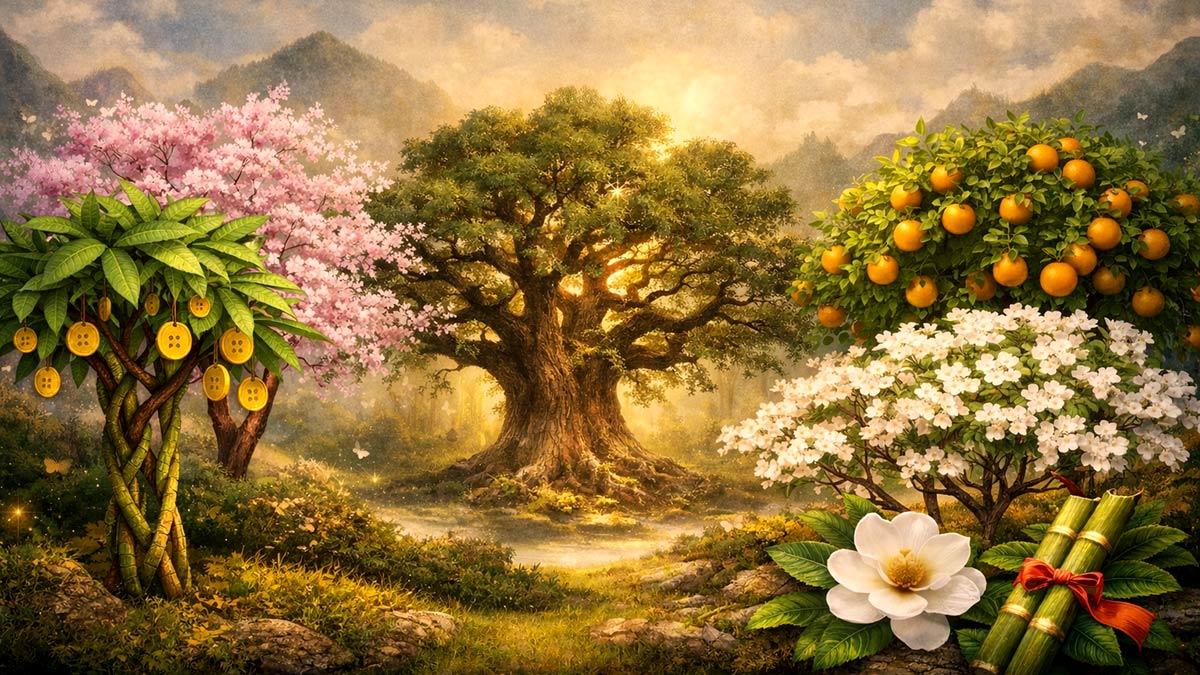
Whether it’s a revered good luck tree planted near the home, a ceremonial grove believed to attract abundance, or a symbolic tree of wealth honored through offerings and stories, people have long turned to trees as living anchors of fortune. By now, you might be primed to sample a few examples of lucky trees. I’ve got you covered. While these aren’t the only lucky trees in the global grove, they’re certainly the most noteworthy. Enjoy!
The Money Tree (Pachira aquatica)
If there were a modern poster child for the good luck money tree, this would be it. The Money Tree (known botanically as Pachira aquatica) has earned its place as one of the most recognizable lucky trees in the world, especially through its deep roots in Feng Shui tradition. It’s widely believed to attract prosperity, financial stability, and balanced growth, making it a favorite lucky tree for homes, offices, and anywhere money decisions are made (which, let’s be honest, is most places).
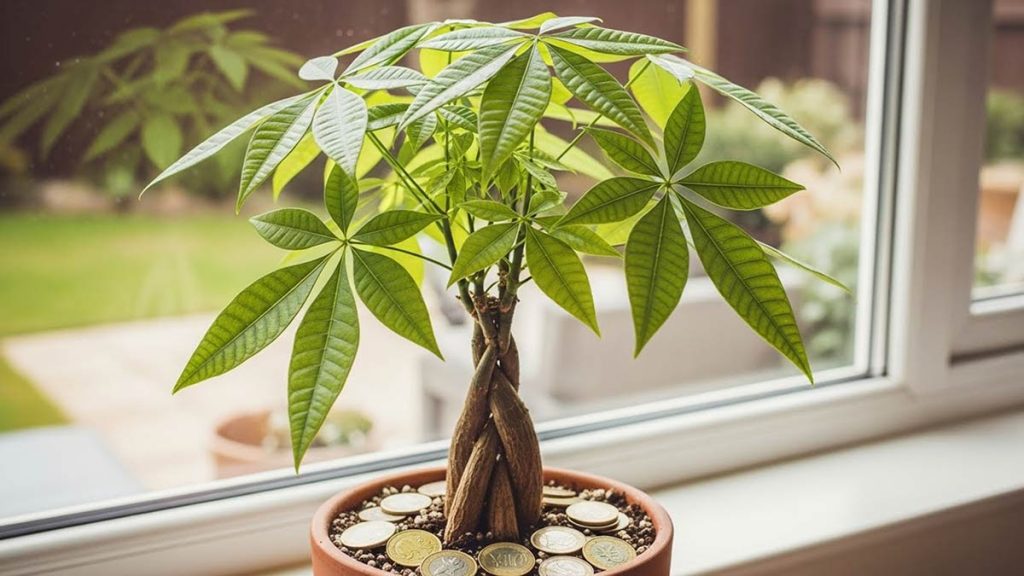
What fascinates me most about this tree of wealth isn’t just what it symbolizes, but how it symbolizes it. The Money Tree doesn’t promise sudden windfalls or scratch-off miracles. Instead, it represents steady accumulation, resources growing quietly over time.
In Feng Shui, its broad, hand-shaped leaves are said to resemble open palms, inviting opportunity while also reminding us to be good stewards of what we receive.
Then let’s talk about that braided trunk. It’s man-made, not natural. But those intertwined stems represent multiple forces working together: effort, timing, support, and patience. Luck, in this case, isn’t a solo act. It’s a collaboration. The braid suggests that prosperity strengthens when different strands of your life: work, values, relationships, and intention, all woven into a stable, unified whole. That human intervention of the braided stem speaks to me about:
- Intertwined luck and effort
- Balance between intention and growth
- Prosperity as something cultivated, not accidental
The Bamboo (Yes, a Grass. But a Legend Among Lucky Trees)
Technically speaking, bamboo isn’t a tree at all. It’s a grass. But I couldn’t help including it in this post because symbolically, bamboo absolutely earns its place in the grove of enduring trees of fortune.
In Chinese culture, especially, bamboo is revered as a symbol of strength, resilience, flexibility, and good fortune. It bends without breaking, grows with astonishing speed, and thrives where other plants throw in the towel. That’s downright aspirational, if you ask me. This is good luck tree energy at its finest.
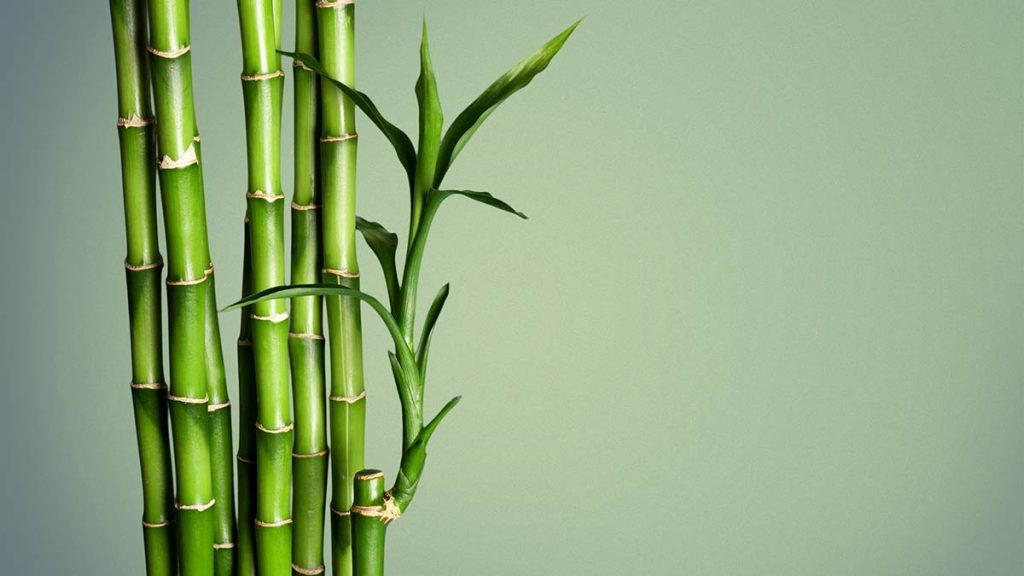
Bamboo has completely bewitched me since I moved into an area where I’m surrounded by it. I’m endlessly baffled (and delighted) by its usefulness, durability, and fierce resilience. I’ve watched bamboo endure snow, whipping winds, pounding rain, you name it, and it just keeps showing up. Still green. Still generous. Still doing its thing.
Fallen stalks don’t go to waste either; I use them to cordon off my garden beds, line pathways, and add what I lovingly call “green jewelry” to areas of the property that need a little visual magic.
That spirit of contribution is exactly why bamboo is seen as a tree of wealth in symbolic traditions. In Feng Shui, lucky bamboo arrangements are often tied to numbers, each carrying its own energetic message:
- Three stalks are associated with happiness
- Five with balance and overall well-being
- Eight is linked to prosperity and financial abundance.
Bamboo teaches a powerful lesson: fortune doesn’t always look flashy. Sometimes it looks like adaptability. Sometimes it looks like reuse, regeneration, and showing up season after season without complaint. That’s the kind of luck I want growing around me.
The Oak Tree
There’s no way I could talk about lucky trees without mentioning the mighty oak. They’re juggernauts! If there were a heavyweight champion among lucky trees, the oak would wear the belt without breaking a sweat.
Across Celtic, Norse, and Native American traditions, the oak has long been revered as sacred. They’re a steadfast guardian standing watch over people, land, and legacy. A stoic authority among the great trees of fortune.

What makes the oak such a powerful tree of wealth is its strength paired with generosity. Oaks take their time growing, but once established, they offer shade, shelter, and sustenance for centuries.
In ancient societies, a healthy oak meant a healthy harvest. Its presence signaled fertile land, protection from the elements, and the promise of nourishment season after season. That kind of reliability is the bedrock of prosperity.
And let’s take a symbolic look at acorns. Small, humble, and wildly underestimated. An acorn doesn’t look like much in your palm, yet it carries the full blueprint of a towering oak. I think that’s utterly marvy! And because of this, acorns have long been seen as tokens of wealth, fertility, and new beginnings. In symbolic traditions, carrying an acorn was thought to invite abundance and guard against hardship. It’s the ultimate reminder that fortune often arrives in compact, unassuming packages.
The Citrus (Orange & Lemon Trees)
Citrus trees bring a very different flavor to the conversation about lucky trees, bright, fragrant, and unapologetically joyful. In Feng Shui and many Asian cultures, citrus trees are prized as trees of fortune because their fruit resembles little orbs of gold. Oranges, in particular, have long been lucky Chinese symbols of prosperity and success.
There’s something wonderfully poetic about this tree of wealth symbolism. Citrus trees, with their glossy green leaves paired with vibrant fruit, create a living portrait of abundance in motion.
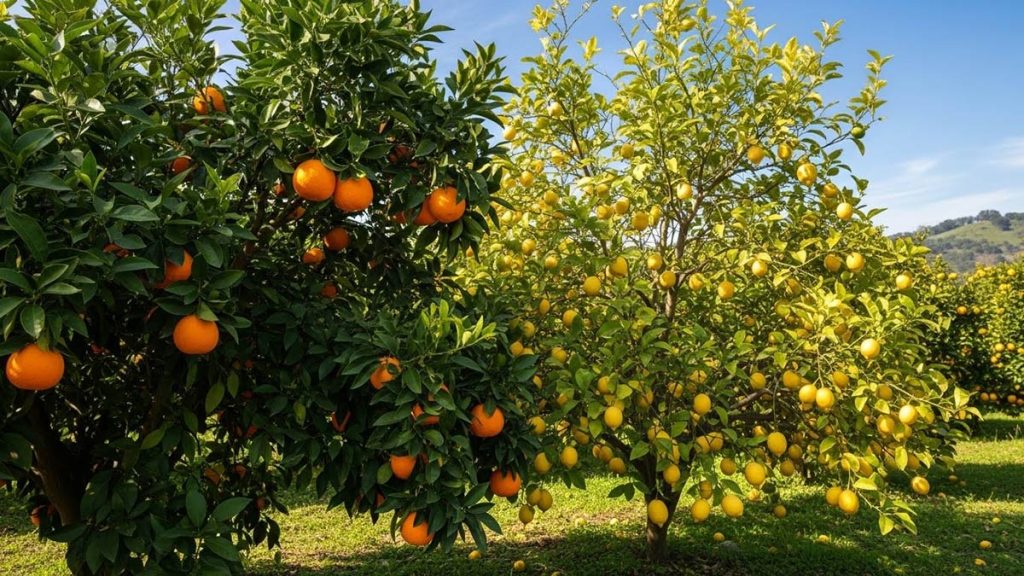
During Lunar New Year celebrations, orange and tangerine trees are commonly placed in homes and businesses as living blessings. These, IMHO, are visible reminders that fortune should be welcomed, celebrated, and shared. The fruit itself is often gifted, reinforcing the idea that prosperity grows when it circulates.
Lemon trees carry a slightly different (but equally valuable) energetic note among lucky trees. While oranges shout “golden opportunity,” lemons speak to clarity, purification, and renewal.
They’re often seen as guardians of energetic freshness, helping clear stagnation so prosperity has room to flow. In this way, citrus trees teach an important lesson within the trees of fortune tradition: abundance thrives best in environments that are bright, tended, and alive with intention.
The Cherry Blossom / Sakura
If ever there were a lucky tree that reminds us fortune doesn’t always linger, it’s the cherry blossom, known in Japan as sakura.
In Japanese culture, cherry blossoms symbolize renewal, blessings, and the bittersweet beauty of fleeting fortune. They’re a gentle but powerful reminder that prosperity isn’t about “gimme, gimme!” It’s also about appreciation and gratitude for resources bestowed upon us.

Unlike other trees of fortune that emphasize endurance and longevity, the cherry blossom teaches a different kind of wealth: presence. When sakura bloom, they do so extravagantly and briefly, showering the world in soft pinks and whites before drifting away. This makes the cherry blossom a unique good luck tree because it invites us to recognize abundance as it happens, rather than postponing gratitude for some future milestone.
In symbolic traditions, sakura encourage us to savor moments of success, joy, love, and beauty while they’re here. Why? Because that, too, is fortune.
The Dogwood or Magnolia (Regional Lucky Trees with Serious Charm)
Some lucky trees don’t announce themselves on a global stage. Rather, they work their magic locally, quietly blessing the land and the people who live among them. The dogwood and magnolia fall beautifully into this category.
In regional folklore across parts of the United States, these trees are associated with beauty, endurance, protection, and blessings that unfold over time. They’re the kind of trees of fortune that reward those who pay attention.
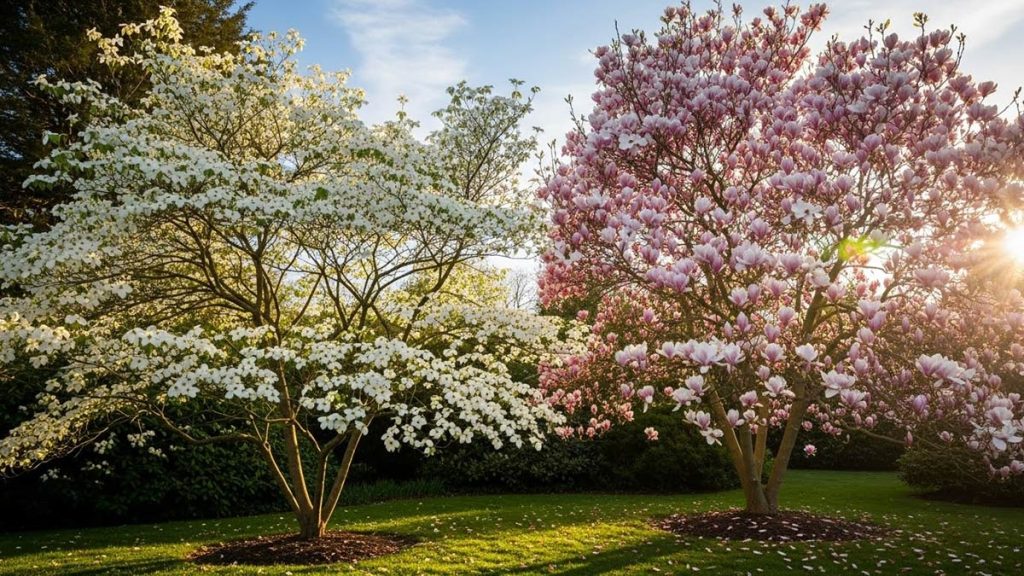
Since moving to an area rich with dogwoods, I’ll admit it, I had no idea what I was looking at at first. Once I learned, though? Total bedazzlement. I cannot wait to see their blossoms burst forth in spring.
Dogwoods have this wild, almost rebellious elegance, with branches twisting and contorting in ways that feel both deliberate and utterly free. Watching them metamorphose through the seasons is like watching a wild, wonderful dancer. I guess you could say, if you have the luxury of witnessing dogwoods, you’re the lucky one!
Magnolias carry a similar gravitas among lucky trees, though they express it differently. Their thick, glossy leaves and enormous blossoms speak to endurance paired with beauty. I like to think this is a reminder that softness doesn’t cancel strength.
In folklore, magnolias are often seen as symbols of dignity, perseverance, and blessings that arrive fully formed, right on time.
Practical Ways to Invite Good Luck Trees Into Your Life
- Grow a lucky tree (or adopt one nearby)
- Plant a good luck tree in your yard if you can, or pot a good luck money tree or citrus indoors.
- No planting options? That’s fine. Claim a neighborhood tree, park tree, or woodland favorite as yours and build a relationship with it.
- Even branches, fallen leaves, or acorns used intentionally as décor can anchor tree of wealth symbolism in your space.
- Plant a good luck tree in your yard if you can, or pot a good luck money tree or citrus indoors.
- Journal with trees (yes, I know… journaling is so overdone)
- I get it. Journaling is preached everywhere. But it bears mentioning because it concretizes the magic.
- Writing about what a lucky tree teaches you turns abstract abundance into something tangible.
- Think of journaling as pressing leaves into a book: it preserves the energetic exchange between you and these trees of fortune.
- You can also draw trees in your journal pages (it’ll be delightful to see if you flip back through your pages).
- I get it. Journaling is preached everywhere. But it bears mentioning because it concretizes the magic.
- Meditate with trees (also overdone… and also completely essential)
- Meditation may be the most overused advice on the planet, but for good reason. Since meditation has saved my life, and also brought me closer to the power of trees, I’m recommending it, and when it comes to lucky trees, meditation will blow your mind.
- This is how you move inside tree intuition and really tap the roots of prosperity.
- Try visual meditations:
- See yourself dancing in the rings of their trunk.
- Feel yourself moving through their sap, slow, nutrient-rich, purposeful.
- Let your hair tingle and fling the way leaves do in the wind.
- See yourself dancing in the rings of their trunk.
- This is where abundance stops being a concept and becomes a frequency.
- Meditation may be the most overused advice on the planet, but for good reason. Since meditation has saved my life, and also brought me closer to the power of trees, I’m recommending it, and when it comes to lucky trees, meditation will blow your mind.
- Use tree symbolism in everyday life
- Incorporate tree of wealth imagery into art, jewelry, charms, or personal objects.
- A leaf pendant, an acorn in your pocket, or an illustration of your favorite lucky trees keeps prosperity present without effort.
- These symbols act like energetic bookmarks, reminding you where growth lives.
- Incorporate tree of wealth imagery into art, jewelry, charms, or personal objects.
- Practice reciprocity
- Water trees during dry spells.
- Thank them (out loud or quietly). Celebrate them! Better yet, become an expert tree-hugger! Yeehaw!
- Return organic matter to the soil when appropriate.
- Prosperity flows best when the relationship goes both ways, something every lucky tree models flawlessly.
- Water trees during dry spells.
Conclusion: Rooted in Real Luck
When I think about it, a lucky tree is about alignment. When you begin to see trees as living talismans of wisdom and exchange, you start to notice abundance showing up in quieter, more meaningful ways. And when you root yourself in that same rhythm, luck stops feeling random and starts feeling earned, cultivated, and shared. I hope you have those experiences with your lucky tree (or any tree for that matter, because the bonds between human and arborial are fiercely awesome!). As always, thanks for reading! Happy tree dreams to you!
Mighty brightly,

© Copyrighted. All Rights Reserved.
Bloom & Grow More With These Flower & Tree Resources From Amazon