 by
by Last Updated on January 24, 2021 by Avia
Celtic Jewelry Meanings
Exploring Celtic Jewelry Meaning: Prized by men and women alike, Celtic jewelry is a treasure among possessions because of it’s uniqueness in beauty and symbolism. Silver and gold were used by Celtic craftsmen between 2000 BC to around 550 AD silver to make outstanding jewelry. Celtic symbols were inevitably the subject of the Celtic jewelry craft, and evident in the final products as evident in modern-day examples.
Ornate, symbolic, and enchanting, Celtic jewelry was (and still is) highly coveted. In fact, Celtic jewelry such as rings, bracelets, pendants, and brooches were so sought after for their beauty and style that the trade of Celtic jewelry across the Mediterranean was quite successful.
“Jewelry is an expressive art for that preserves a piece of the human soul. It is an expression of memory and human experience.”
~Unknown
It’s interesting to note the symbolic meaning of silver or gold. Gold is male energy and represents power, strength and power. Silver is feminine and is symbolic of purity, delicateness and tenderness.
While entertaining the crescent moon symbolism, we may recognize feminine energy combined with silver. Further, we may also research the Celtic triple goddess concept in which the great feminine houses three aspects of the Divine: Maiden, Mother and Crone.
Each aspect of the divine feminine containing profound symbolism and wisdom to her own devices shown together with the symbolic triquetra her forces are unanimously intense (although, there are infinite number of power-triads upon which to draw).
Maybe this bit on the symbolic meaning of the Celtic torc may inspire you to design one for yourself. Or, purchase one from your local metalsmith for your beloved.
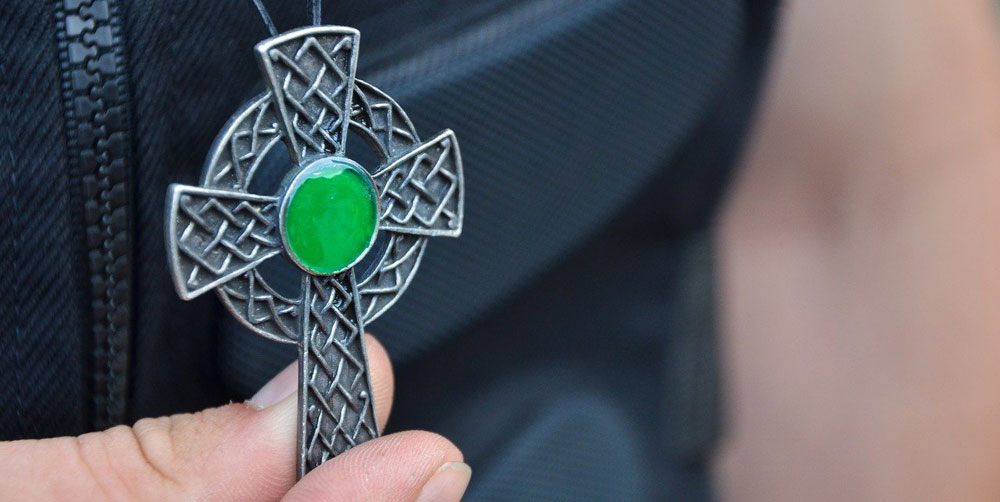
Common Celtic Jewelry Meanings
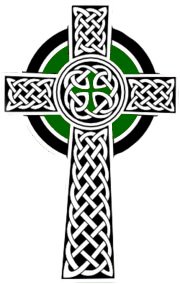
Celtic Cross Meaning: When one thinks of Celtic jewelry, the Celtic cross may come to mind first. The Celtic cross had it’s start in the British Isles, appearing primarily in Ireland.
This Celtic symbol has long represented the bridge or passage between heaven and earth. The four arms may also be connotative of the four elements (fire / earth / air / water).
The ring in the center of the Celtic cross is a Celtic symbol of infinite love, specifically, the endlessness of God’s love. The center ring may also represent a halo emanating from the Christ.
Given the power represented in this Celtic symbol, it’s easy to see why Celtic craftsmen were so dedicated to the pristine perfection in crafting the Celtic cross.
This symbol represents the very highest ideals and aspirations of the Celts, and this piece of Celtic jewelry is one of the most timeless.
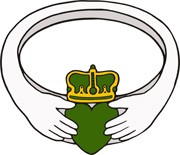
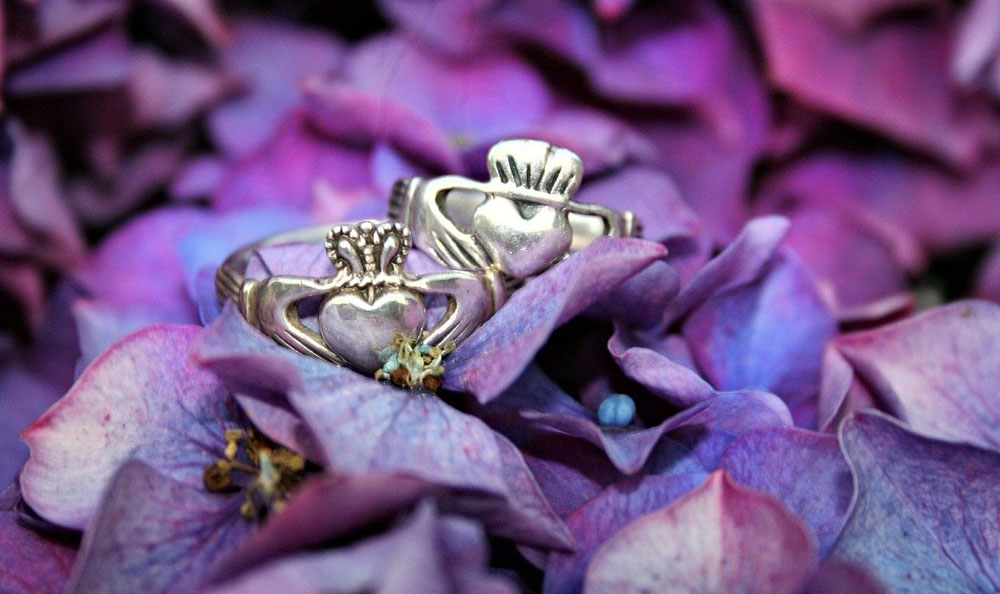
Claddagh Meaning: Another timeless piece of Celtic jewelry is the Claddagh ring.
Claddagh (pronounced klä d ä) is an ancient village just outside Galway City in Ireland.
The ring gets its origin from Richard Joyce. Captured and taken from his homeland, Joyce was held as a slave in the West Indies. Eventually, he was sold to a Moorish goldsmith, where Joyce learned the art of jewelry making. Joyce eventually gained his freedom, and upon doing so, immediately went back to his homeland and settled down in the village of Claddagh. Here he continued his goldsmith practice by making Celtic jewelry – specifically producing the Claddagh to celebrate his return home and to have a symbol for his love of kin and country. As seen today, the Claddagh has become quite popular as a sign of betrothal as well as friendship and love. Also see hand symbolism, including Celtic perspectives of hand meaning.
Claddagh Symbolism Celtic symbols are evident in the Claddagh as they are commonly seen in all jewelry. The heart of the Claddagh represents love, the crown is symbolic of loyalty, and the hands represent friendship. These symbol meanings make it easy to understand why the Claddagh is such a popular and appropriate choice for a wedding or friendship ring.
Claddagh Ring Position Traditionally, if the Claddagh ring is worn on the right hand with the crown facing the base of the finger ring-wearer is not in a serious relationship. Worn on the right hand with the crown facing away from the base of the finger indicates someone is in a serious relationship. According to some, if a Claddagh is worn on the left hand with the crown in either direction it means that that the wearer is married.
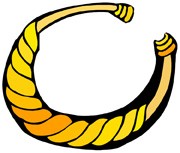
Celtic Torc Meaning: The torc is one of the most characteristic and showcased of Celtic adornments for the body.
Indeed, Cassius wrote how Boudicca went into battle wearing nothing but a great necklace of twisted gold (which was a torc worn snuggly around the neck).
Worn with or without clothes, the symbolism of the torc is weighted with power.
There are schools of thought that indicates torcs were symbols of:
- Nobility
- strength
- Status
- Hierarchy within the clans
I’ve wondered if the balled ends of the torcs press against certain meridian points (around the neck where they are worn, as well as around ankles and wrists) that cause heightened awareness and arousal.
I rather like the C-shape connotation the torc is symbolic of a stylized C-moon a crescent moon. In this case, we are dealing with a lunar principals dealing with:
- Intuition
- Metamorphosis
- Emotion
- Creation
Weave the Ways of the Celts Into Your Life With These Celtic Symbol Amazon Selections
Other Articles of Interest on This Website
Celtic Symbols for Warrior
This article lists several different Celtic symbols that are iconic for strength, and stand in for a warrior symbol. I’ve added it as a related article here, because the lovely thing about the Celtic culture is that this civilization allowed their women to fight. Regardless of your gender, Celtic symbols for warriors are worthy of attention. Click here for Celtic symbol meanings for warrior and strength.
Symbolic Celtic Tattoo History
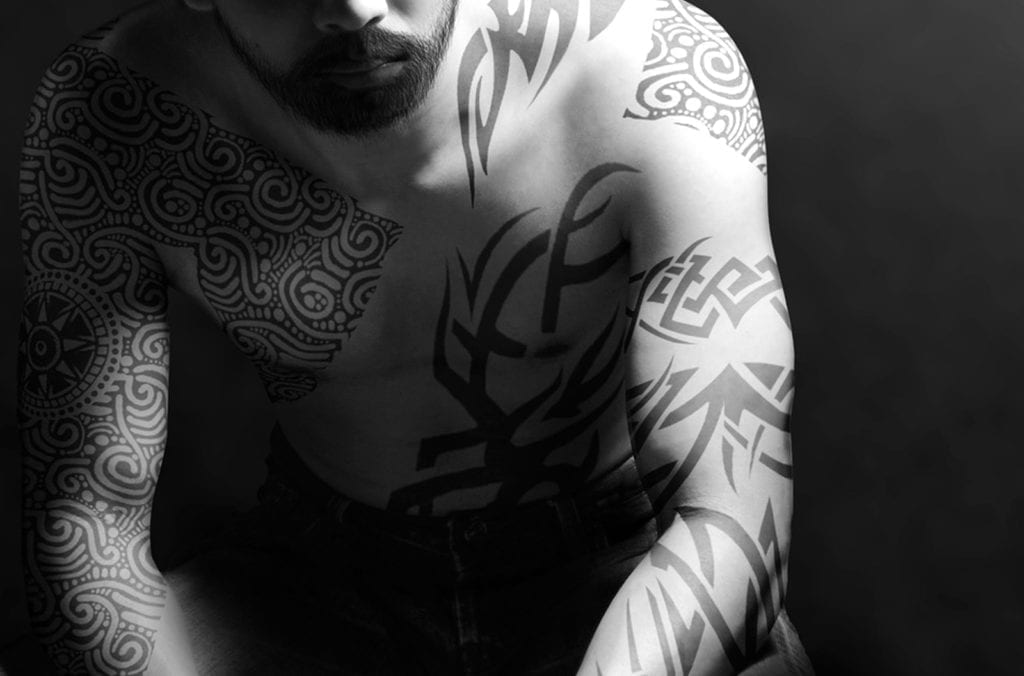
The Celts tattooed themselves for the same reason most of us tattoo ourselves in this modern day. It is a mark of strength, clan, remembrance. It is an extreme, soulful way to identify who we are, where we’ve been, and where we intend to go. Get more information on the history of Celtic tattoos here.