 by
by Last Updated on February 24, 2023 by Avia
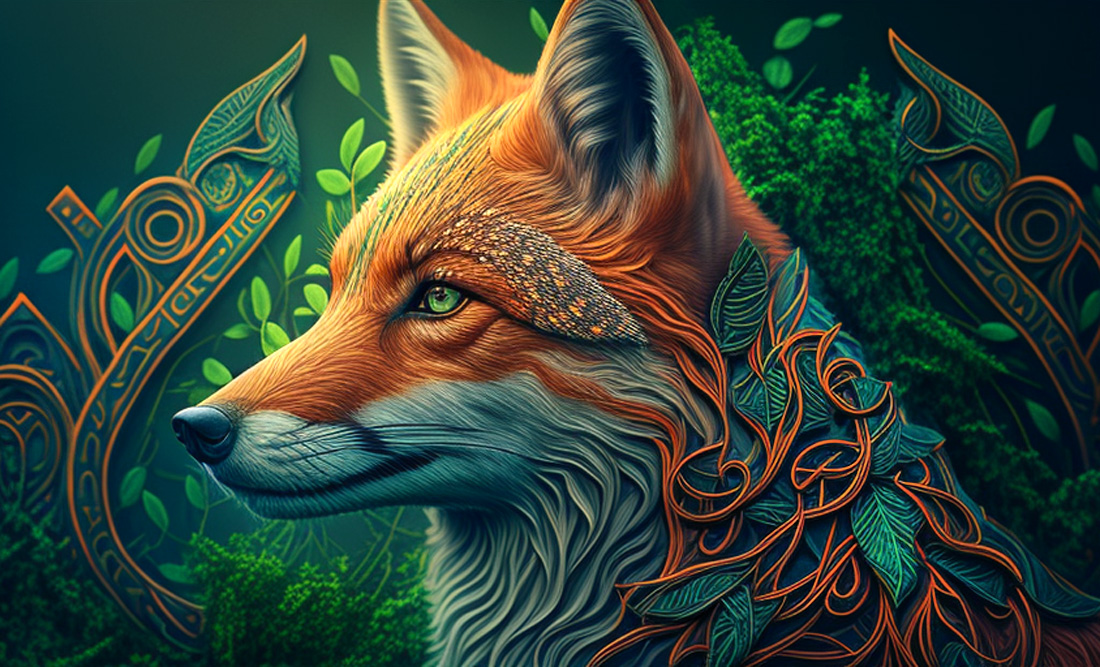
Celtic animals were depicted in Celtic tribal life in a big way. Animals were featured in Celtic jewelry, tapestries, carvings, clothing, etc. to express deep, profound meaning. Why? Because the ancient Celts recognized major energy and magic in the animal kingdom. Celtic animals as symbols, like all symbols, signs or totems, hold incredible power and fascination for us all. They hold our attention because, animals serve as reminders of qualities (like strength, courage, patience) we all want to have.
Table of Contents
About Celtic Animals
As reminders, animals convey deeper meaning, and also provide us with an visual focus – providing an aid on our path to obtaining the qualities of virtue we desire. By understanding the meaning of animal symbols, we can adopt these meanings into our lives.
The ancient Celts knew this, and called upon the spirit of many animals who provided them with the insight and qualities they required.
Adopting Celtic animal symbols is an honorable and age-old practice of self- improvement. It is a concentrated effort to obtain the desired attributes of the animal itself. Furthermore, it is a pathway to personal discovery. Animals urge us to open ourselves to internal exploration, and ultimately they put us on the path of understanding.
“Every animal has his or her story, his or her thoughts,
daydreams, and interests.
All feel joy and love, pain and fear,
as we now know beyond any shadow of a doubt.”
~Ingrid Newkirk
A Word About How Celtic Animal Info is Obtained
Please note: I have provided information on Celtic animals and their meanings here with a goal to maintain historical accuracy. However, please keep in mind much of this information comes from deduction and intuiting Celtic intent just as well as conventional research. Due to the scarcity of written history about Celtic culture and their ideology about symbolism, information can be piecemeal and sketchy.
Case in point: Celtic Druids passed on esoteric wisdom verbally to their acolytes. They insisted their sacred teachings be held within the heart and mind – writing it down was almost like diluting or weakening the power of the information. This is kind of a bummer for us modern-day folk wanting hard-core facts. But, it’s also pretty keen when you think about the arduous devotion Druids and their trainees had – memorizing overwhelming amounts of crucial history and knowledge.
Ephemeral or ambiguous information about Celtic animals isn’t a bad thing. It’s actually a gift, because it allows us the opportunity to step into a sacred, energetic realm and weave our own delightful interpretations based upon the Celtic foundations we are aware of. It is my hope you will come to understand and respect each animal symbol meaning within the context it is given – keeping in mind that it is ultimately your own heart, mind and spirit that determines a symbol meaning. For more information on animal symbols and animal symbol meanings, please visit the animal totem page. And, be sure to check out the newly added Celtic Animal Signs (a zodiac based on the Celtic lunar year) here, and my page on Celtic Animals and Symbols (with Ogham correspondences) here.
“Animals should not require our permission to live on Earth.
Animals were given the right to be here long before we arrived.”
~Anthony D. Williams
Important Celtic Animals and Their Meanings
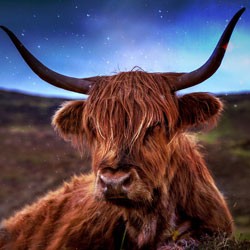
Celtic Bull
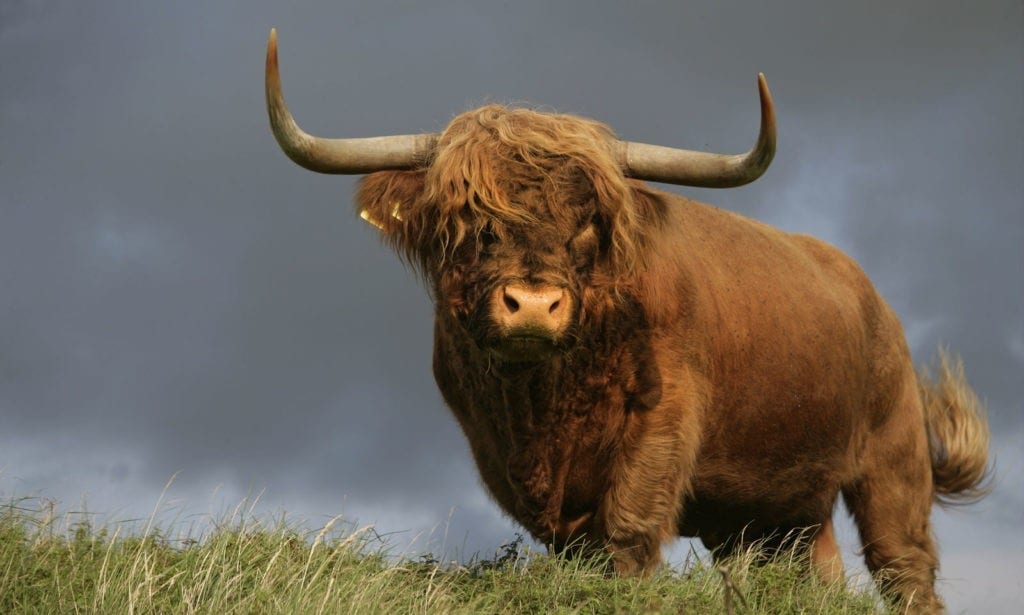
The bull is a much-revered among Celtic animals, with several different translations. Mostly, the Celtic bull symbolizes of strong will, uncompromising, and even belligerent the bull stands for unbending, stubborn personality traits – leading up to the term “bull-headed.” On the flip side, the bull is also a virile sign for men, and a sign of fertility for women. Donning the bull symbol in the bed chamber (depicted on sheets, robes, pillows, etc) is said to enhance the mental state – leading to sexual strength and endurance. A third representation of the bull sign is that of riches and wealth. Likely due to the fact that this creature was a great source of food the Celts, it can easily be associated with easier, fairer, and abundant times in the Celtic villages. Also see: Bull Symbols. And don’t miss learning about the Celtic Bull Zodiac Sign Meaning Here.
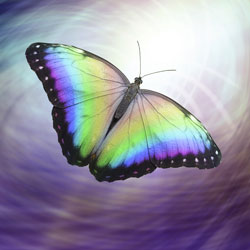
Celtic Butterfly
Research reveals that the symbolic meaning of the butterfly is similar across most cultures and time. Invariably, this beautiful Celtic animal symbol represents transformation, inspiration, and rebirth. The concept of rebirth with the Celts is particularly of importance in terms of recycling of life – both in the spiritual and physical realms. Perhaps the bible and the Byrds extol the concept best: “To every season, turn, turn turn.” This was an intimate concept with the Celts, and the butterfly – in its miraculous way symbolizes transformation and rebirth. Transition is common in all nature, and the Celtic woman would be keenly aware of its presence. As such, butterflies would adorn birthing gowns, blankets, and bed sheets as a sign of smooth transition when welcoming new babies into the village fold. More on butterfly meanings here. Don’t miss learning about the Celtic Butterfly Zodiac Sign Meaning Here.
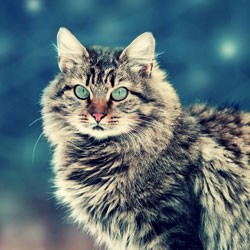
Celtic Cat
By way of the Egyptians to Romans, and from Romans to Celts came the transference of the symbolism of cats. Unanimously, the cat represents the guardian of the Otherworld (or Underworld, depending which texts you read from various regions). Stoic, silent and mysterious, cats fit the bill of Otherworld guardians quite well. They keep the secrets of the Otherworld eternally to themselves, as the gaze with guile upon a world that does not see or understand the depth of their knowledge. Astute, crafty and clever, not only do they make great Otherworld guardians, they are also liaisons to mystic realms. When invoked, they can grant the caller a variety of insights regarding more esoteric, ethereal knowledge. No wonder the cat is a prize among Celtic animals. More on symbolic cat meanings here. Get more by learning about Celtic Cat Zodiac Sign Meaning Here.
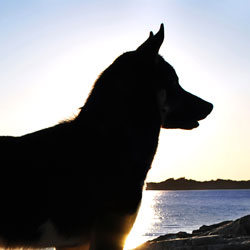
Celtic Wolf Hound (Dog)
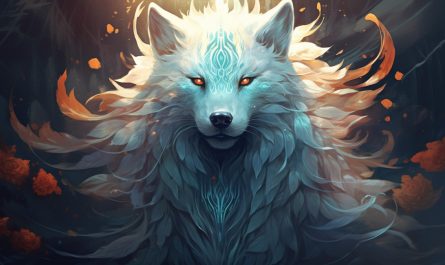
The wolf, hound and dog animal symbol maintains a pure root meaning throughout time and culture. That meaning is loyalty, of course. Man (and woman’s) best friend, the dog symbolizes the strong bond of companionship felt between human and animal. Get more about Dog Symbolism here. The dog (and wolf hound) was considered to be good luck in the village, and as such, the symbol of the dog was commonly found in Celtic décor, clothing, etc. There are reports that the dog is a harbinger of good health. More likely, the dog’s companionship warded away the illnesses loneliness and rejection cause. Further, a Celt was rarely found hunting without a hound nearby. Dogs were necessities in life, and therefore highly regarded. For more neat tidbits on general symbolism of the dog, go to my Animal Tracks Symbolism Page where the meaning of dog tracks and other animal tracks are listed. See also wolf symbolism. Find out about Celtic Dog Zodiac Sign Meaning Here.
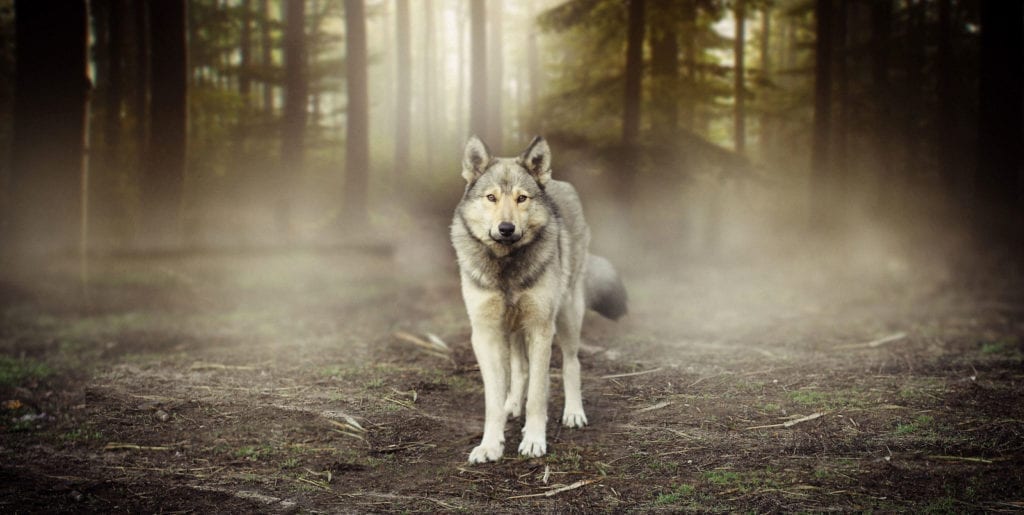
Far more than just companions to the Celts, dog hounds were crucial for hunting and protecting the clan. The Celtic dog was more closely related to the wolf back in their time – a far cry from the domesticated dog today. Yet, still the Celts shared a great partnership with the wolf-hound, and respected their fearlessness.
Avia

Celtic Porpoise (Dolphin)
Many a tale has been told about the magic of dolphins. Their appearance off the shores of Ireland urged the Celts to contemplate an unknown universe – the sea. Those who could not settle to simply cogitate – Celtic seafarers held the dolphin in high regard. It became a symbol of friendship, intelligence, and good luck. Its status of luck was likely related to the fact that the dolphin was most commonly seen on the seas when the weather and waves were calm and fair. The Celts innately understood the intimate relationship between nature and beast. However, did the sight of the lucky dolphin cause fair weather, or was it the weather beckoned the dolphin out of its depths? Clearly, it’s a question of which came first – the chicken or the egg. Regardless, the dolphin is viewed as quite lucky indeed – and this quality combined with it’s cleverness and speed in the waters made the dolphin a highly respected among Celtic animals. Learn more about dolphin symbolism here.
Celtic Duck
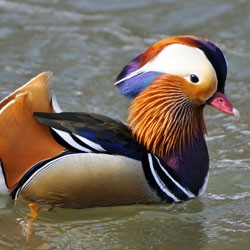
Ducks, along with geese (see entry below) share the same symbolism of transition due to their migratory nature. Ducks are also a Celtic animal symbol of honesty, simplicity and resourcefulness. Ducks also represent sensitivity, as they tend to be very sensitive to their surroundings. Also viewed as graceful and agile – particularly in the water, ducks are respected for their beauty and adaptation to nature. Get more about symbolic duck meaning here.
Celtic Goose
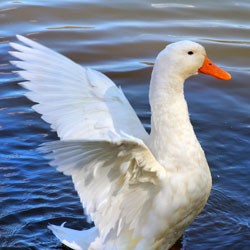
Geese were common sights in the lush green lands of Ireland, and their migration was duly noted by the ever-observant Celts. Consequently, among Celtic animals, the Goose deals with our own migratory or transitory nature. The sign of the goose urges us to consider our changes of mood and heart. The Celts understood that oneness in thought leads to oneness in deed, so invoking the goose aids in our ability to understand why we have such changes of thought, and what we can do to ground our thoughts so that our actions aren’t “willy-nilly.” Furthermore, the goose is also a strong symbol of hearth and home. Always returning to the same spot each spring, the goose was recognized for it’s incredibly navigational devised, and identified for it’s keen sense of return to home. Celts being fierce patriots, the sign of the goose was a strong symbol of the importance of home. Likely, the goose was a common symbol in the home, displayed to encourage the safe return home of Celtic warriors. More about goose symbolism here.
Celtic Griffin
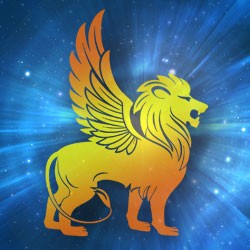
An ancient creature embraced by many cultures, the Celtic animal griffin is a symbol of duality. Part eagle and half-part lion (depending on the region – even part serpent, horse or dog), the meaning of the griffin reflects its dual physical form by presenting a balance of both good and not so good qualities. The griffin’s more likable qualities include nobility, gentleness, and justice. Depicted on ancient stone tombs, griffins are the guardians and protectors of life, and remain loyal in their protection even in the afterlife. Griffins count nobility, vigilance, virtue and strength among their many positive attributes. The griffin is an incredibly strong symbol, and used only when the mightiest gods’ attention needs to be captured, and reserved only when the need is greatest. Misused, or invoked for selfish reasons, the griffin brings about gluttony, vengeance, ferocity, and violence. In Roman texts, the Griffin is strongly aligned with the fire god, Apollo. This makes the griffin a possessor of fiery forces – and not to be trifled with when in partnership with Apollo. Given its power, and considering it can be just as nefarious as it can be kind, respect must be paid when invoking the spirit of the griffin. Learn more about winged mythical creatures and more about the griffin here.
Closing Thoughts About Celtic Animals and Their Meaning
I hope you have enjoyed this article on common Celtic animals and their meaning. Whether you are researching to augment your Irish heritage, getting closer with the energy of Nature, or researching your next Celtic tattoo, these Celtic animals are sure to bring you illumination and guidance. Thanks for reading, and be sure to check out more articles on Celtic symbols listed on this page.
May all your encounters with Celtic animals be rich and meaningful.
Mighty brightly,
© Copyrighted. All Rights Reserved.
Avia’s Amazon Picks for You
Deepen Your Connection With Your Animal Totems With These Amazon Selections
Go Primal With These Amazon Celtic Totem Selections
Other Articles of Interest on This Website
Celtic Animal Zodiac Meanings
This page on Celtic animal signs is an extension of the Celtic tree astrology section. I’ve selected each Celtic sign according to their prominence and affiliation with the full moon within each segment of the Celtic (lunar) year. Learn more about your Celtic animal zodiac sign here!
Celtic Animal Meanings and the Celtic Ogham
This page on Celtic Animal Symbols is based on the Ogham system of symbolic language. This article looks to the Druidic Ogham for inspiration and symbolic meaning because its implications are vast. Learn more about Celtic animal symbolic meanings here.